Today’s quick take: Kia Select has upgraded its official website with a new membership system and an AI‑powered, brand‑agnostic instant valuation feature for used cars — a shift that blends online convenience with offline inspection services and tighter quality controls. For Hong Kong startups and product teams building automotive or marketplace experiences, this is a useful case study in how AI + UX can lower friction across a traditionally complex customer journey. ([autos.yahoo.com.tw](https://autos.yahoo.com.tw/%E5%AE%98%E7%B6%B2%E5%85%A8%E6%96%B0%E6%9C%83%E5%93%A1%E5%8A%9F%E8%83%BD%E4%B8%8A%E7%B7%9A-%E5%B0%8E%E5%85%A5%E4%B8%8D%E9%99%90%E5%93%81%E7%89%8C-ai-%E5%8D%B3%E6%99%82%E4%BC%B0%E5%83%B9-kia-033619520.html?utm_source=openai))
What changed (the facts)
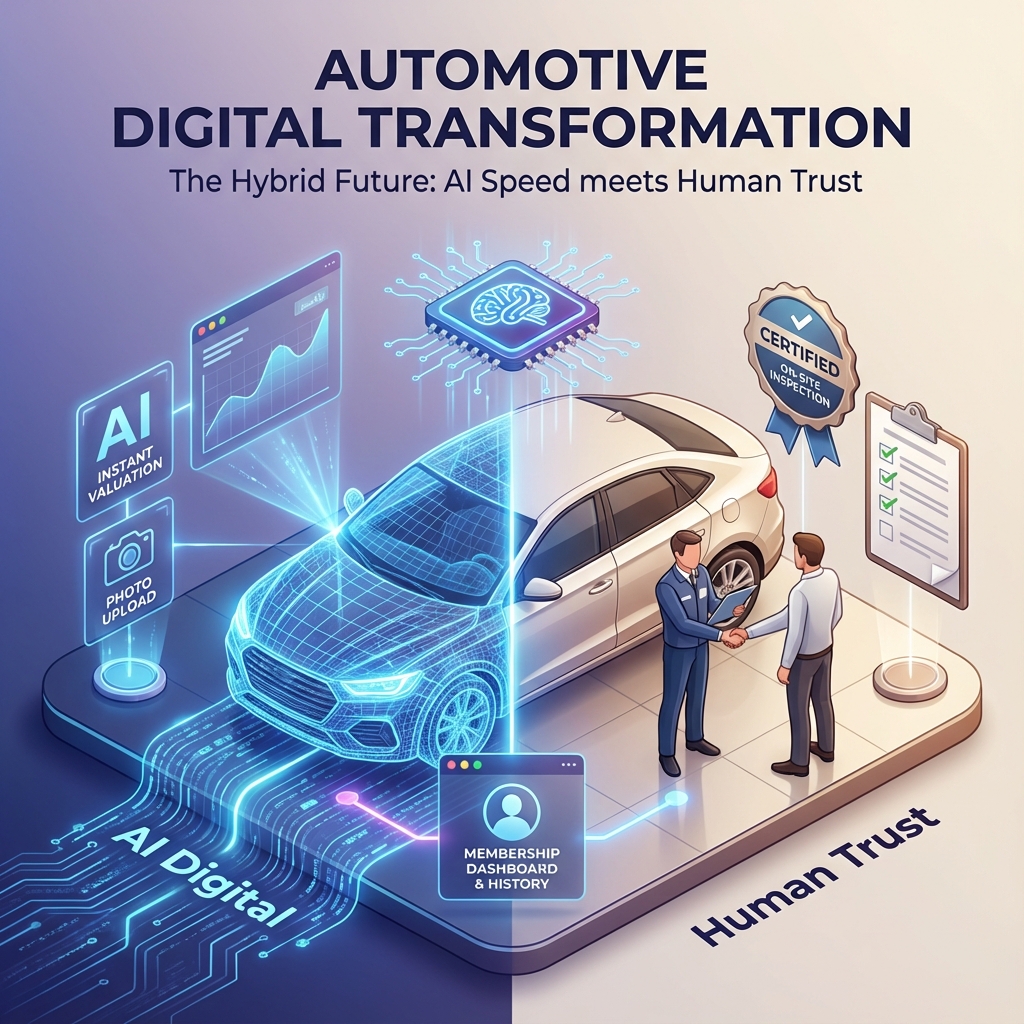
The upgraded Kia Select platform now offers a dedicated membership area where users can upload photos of their vehicle, store valuation records and track interest on cars — effectively turning a one‑off visit into an ongoing, manageable relationship. The service also accepts vehicles of any brand for trade‑in and uses an AI instant‑valuation engine to give users a quick sense of market value. Customers can then book a professional on‑site inspection through the site for a more detailed appraisal. ([autos.udn.com](https://autos.udn.com/autos/story/7825/9149864?utm_source=openai))
According to local reporting, the website’s traffic rose following the opening of a new Taipei flagship showroom (near double‑digit growth reported), with new users approaching the ten‑thousand mark — early signals that the combined online + offline experience is resonating with shoppers. ([autos.udn.com](https://autos.udn.com/autos/story/7825/9149864?utm_source=openai))
Kia Select’s used cars are promoted as passing rigorous checks (over a hundred inspection items are cited in reporting) and excluding accident or flood‑damaged vehicles — part of the trust proposition behind the “original factory selected” program. ([autos.yahoo.com.tw](https://autos.yahoo.com.tw/kia-select-%E5%8E%9F%E5%BB%A0%E7%B2%BE%E9%81%B8%E4%B8%AD%E5%8F%A4%E8%BB%8A%E6%9C%8D%E5%8B%99%E5%86%8D%E9%80%B2%E5%8C%96-%E5%AE%98%E7%B6%B2%E5%85%A8%E6%96%B0%E6%9C%83%E5%93%A1%E5%8A%9F%E8%83%BD%E4%B8%8A%E7%B7%9A-152000169.html?utm_source=openai))
Why this matters to consumers
For buyers and sellers, the immediate benefits are clear:
- Speed: AI instant valuation gives a quick market reference without waiting for manual appraisal.
- Transparency: Photo‑based uploads and a member dashboard make the process traceable and easier to compare.
- Hybrid convenience: Bookable on‑site inspections combine the accuracy of human evaluation with the convenience of a pre‑qualified online quote.
Higurashi’s perspective — product & technology lens
At Higurashi, we focus on integrating AI into real‑world website workflows so that “Life is simple, just coding.” Kia Select’s move exemplifies three product lessons we advocate for marketplace and automotive partners:
1) Use AI to reduce cognitive friction, not to replace trust
Instant valuations are valuable when they are framed as an informative first step, not a final promise. AI models can surface pricing bands and comparable listings instantly, but buyers still value human validation — hence the hybrid booking flow. Design wise, make the AI output explainable (feature highlights, confidence ranges, comparable examples) so users understand how the price was reached.
2) Turn one‑time visitors into members
Membership features — saved valuations, watched cars, document history — convert transactional sessions into relationships. For startups targeting creators and entrepreneurs (our audience), this is a familiar growth lever: small, useful member features multiply lifetime value and create authentic touchpoints for later upsell or cross‑sell.
3) Instrument everything and close the loop
AI valuations produce data. Good teams capture how users interact with those valuations (do they book inspections, list cars elsewhere, or abandon?) and feed that signal back to retrain models and improve UX. That loop — data → model → UX → data — is central to building a product that gets better with usage.
Practical implementation considerations (for product teams)
- Data ingestion: start with a robust photo and metadata pipeline (make it painless to submit mileage, VIN, condition). High‑quality inputs improve model reliability.
- Explainability layer: show comparable listings, days‑on‑market, and a confidence band rather than a single hard number.
- Verification handshake: couple AI quotes with an easy scheduling flow for human inspection; automate the handoff to technicians with structured checklists.
- Privacy & compliance: be explicit about what user photos and vehicle data are used for — retention, model training, or marketplace matching.
- Metrics to watch: quote‑to‑inspection conversion, dispute rates after inspection, average days‑to‑sale, and model calibration drift over time.
“AI is most useful when it makes a complicated decision easier to act on.” — product maxim for hybrid valuation systems.
What brands like Higurashi can offer
Higurashi builds AI integration layers for web businesses: from real‑time valuation engines to member dashboards and operator workflows. For teams exploring similar upgrades, our approach centers on three pillars:
- Plug‑and‑play AI modules that accept photos + structured inputs and return explainable price bands.
- Seamless UX components — onboarding flows, photo helpers, scheduled inspection booking — that increase completion rates.
- Operational tooling for technicians and agents: mobile checklists, discrepancy reporting, and automated reconciliation with the online quote.
Final thoughts — where this trend is headed
Automotive marketplaces are moving fast toward hybrid AI + human workflows: AI accelerates discovery and decisioning, humans validate and close the transaction. For Hong Kong entrepreneurs and product teams building consumer‑facing platforms, the principles are transferable: shorten time‑to‑value, preserve trust, and instrument for continuous improvement. Kia Select’s recent website upgrade is a clear example of those principles in action. ([autos.yahoo.com.tw](https://autos.yahoo.com.tw/%E5%AE%98%E7%B6%B2%E5%85%A8%E6%96%B0%E6%9C%83%E5%93%A1%E5%8A%9F%E8%83%BD%E4%B8%8A%E7%B7%9A-%E5%B0%8E%E5%85%A5%E4%B8%8D%E9%99%90%E5%93%81%E7%89%8C-ai-%E5%8D%B3%E6%99%82%E4%BC%B0%E5%83%B9-kia-033619520.html?utm_source=openai))
— Higurashi: making AI integration simple so your website does the heavy lifting. 🚀